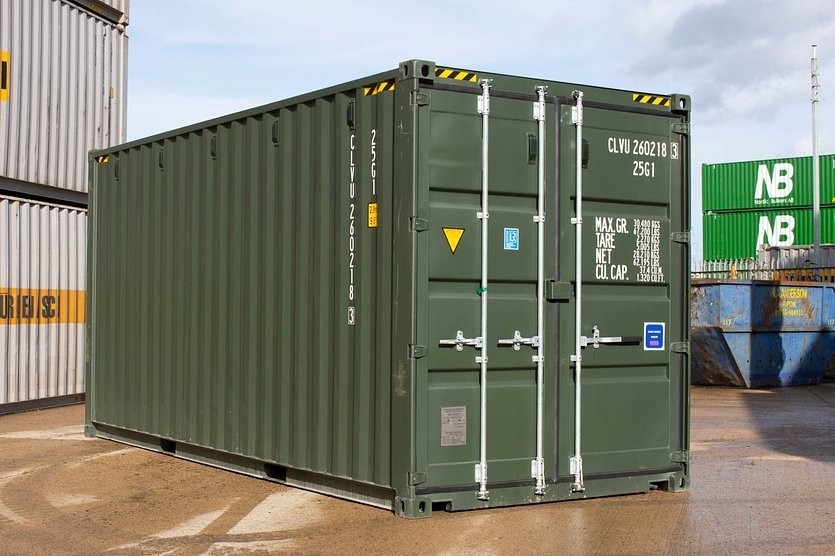
The 10 Most Scariest Things About 30 Ft Container Dimensions
Understanding 30 Ft Container Dimensions
When it comes to shipping and logistics, container dimensions play a pivotal function in optimizing transportation and storage services. Amongst various container sizes readily available for business and personal usage, the 30-foot container stands out due to its flexibility. This post intends to offer a comprehensive introduction of 30 Ft Container Dimensions (https://Www.lynellesplain.top), specifications, and applications.
Overview of Shipping Containers
Shipping containers are used around the world for the transportation of items. They are available in various sizes and types, with the most typical dimensions being 20 feet and 40 feet. Nevertheless, the 30 ft container uses an intermediate solution, supplying advantages for particular shipping and storage needs.
Dimensions of a 30 Ft Container
Here are the specifications of a basic 30 ft container:
Dimension
Metric (m)
Imperial (ft)
External Length
9.14 m
30 ft
External Width
2.44 m
8 ft
External Height
2.59 m
8.5 ft
Internal Length
9.00 m
29.5 ft
Internal Width
2.35 m
7.7 ft
Internal Height
2.39 m
7.9 ft
Maximum Payload
26,000 kg
57,320 pounds
Volume
66.2 m THREE 2,335 ft three External vs. Internal Dimensions
External dimensions refer to the overall size of the container, consisting of the construction structure, while internal dimensions explain the functional space within the container. Comprehending these distinctions is necessary for preparing how much cargo can be filled. Advantages of Using a 30 Ft Container Using a 30 ft container can
provide several benefits, depending on the
specific service needs: Optimal Storage Solution: The 30 ft container strikes a balance in between size and capacity
, making it appropriate for moderate to high-volume storage requirements. Cost-Efficiency: While larger 40 ft containers provide more space, they can likewise be more costly to lease or purchase
. A 30 ft containercan be a more economical option without sacrificing too much capability. Flexibility: 30 ft containers can be used for different applications, from transferring goods to short-lived storage on building sites.
Easy Transportability: The fairly smaller sized size makes a 30 ft container much easier to transport and steer in tight spaces than bigger containers.
Improved Security: Like all shipping containers, 30 ft containers are designed to be safe and secure, using defense versus theft and weather-related damage. Applications of 30 Ft Containers The versatility of the 30 ft container makes it appropriate for different applications, consisting of: Residential Moves: Ideal for transferring goods when downsizing or crossing town. Temporary Storage: Perfect for building and construction websites requiring safe and secure and dry storage for tools and products. Business Storage: Businesses can use
these containers for stock storage, especially in seasonal needs. Portable Offices: The container can be
transformed into a portable workplace, offering a functional location on task sites. Retail Use: Ideal for pop-up stores or short-term screensat special events or celebrations. Frequently Asked Questions(FAQs)Q1: What is the weight limitation of a 30 ft container? A: A common 30 ft container
has a maximum payload of roughly 26,000 kg, or 57,320 lbs. Q2: How much does a 30 ft container weigh? A: The tare weight of a basic 30 ft
container is typically around 2,300 kg, or about 5,000 lbs, which can differ slightly based upon the container's
product and building and construction. Q3: Are 30
ft containers readily available for rent? A: Yes, both rental and purchaseoptions are available for 30 ft containers through shipping and logistics companies. Q4: Can a 30 ft container be shipped globally? A: Yes, they can be used for global shipping, subject to the policies of the countries involved in the transport. Q5: What is the difference between a standard container and a high-cube container? A: A high-cube container is 1 ft taller than a standard container
, providing it more internal space. For example, a high-cube 30 ft container will generally have an external height of 9.5 ft.
The 30 ft container uses a distinct mix of size,performance, and cost-effectiveness, making it a favored choice for numerous shipping and storage requirements. Organizations and individuals alike can gain from its flexibility, whether requiring short-lived storage, moving a workplace, or shipping goods across borders. Understanding the dimensions, applications, and benefits of 30 ft containers can help enhance logistics and make notified choices to satisfy your shipping and storage requirements. If you're considering utilizing a 30 ft container for your requirements, it's finest to seek advice from professionals to ensure it fits your specific requirements, spending plan, and space constraints.