9 Things Your Parents Taught You About Upvc Fascias
Understanding uPVC Fascias: A Comprehensive Guide
uPVC fascias are a vital part of contemporary roof and exterior design, serving both functional and visual functions. This post explores what uPVC fascias are, their advantages, installation processes, maintenance, and a comparison with other products.
What are uPVC Fascias?
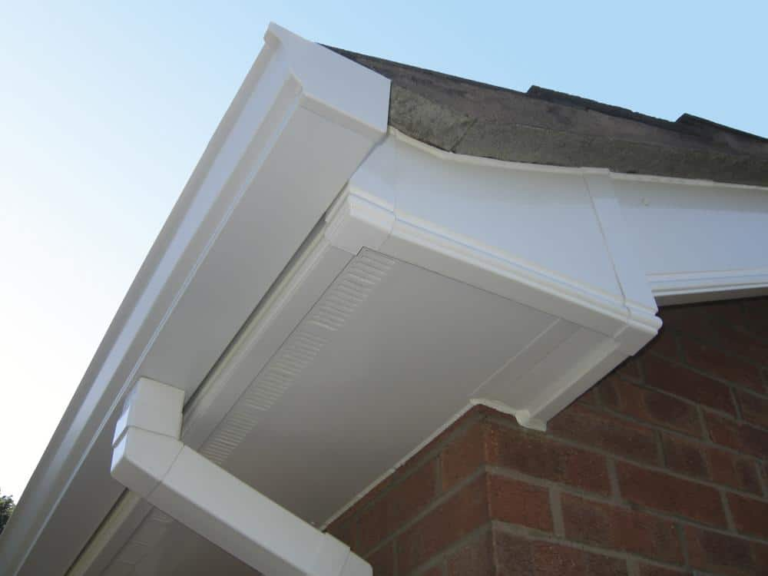
uPVC, or unplasticized polyvinyl chloride, is a type of plastic frequently utilized in structure applications due to its toughness, flexibility, and resistance to ecological aspects. Fascias are the board that runs horizontally along the roofing system's edge, typically situated beneath the roofing system's edge and above the eaves. They serve as a support for the lower edge of the roofing and assist in the installing of the gutter system.
Secret Functions of uPVC Fascias:
- Structural Support: They supply stability to the roofing's structure.
- Visual Appeal: Available in different designs and colors, uPVC fascias improve the structure's outside appearance.
- Water Management: By working as a part of the gutter system, they help channel rainwater away from the home.
- Pest Barrier: They help avoid pests and birds from nesting under the roofline.
Benefits of uPVC Fascias
uPVC fascias have gained appeal over traditional wooden fascias due to various advantages:
1. Sturdiness
uPVC is resistant to decay, rot, and warping, making it a long-lasting service for fascias that can endure severe climate condition.
2. Low Maintenance
Unlike wood, which needs regular painting and sealing, uPVC fascias are virtually maintenance-free. An easy wash with soap and water is typically all that is required to keep them looking new.
3. Cost-Effectiveness
Although the preliminary cost may vary, the total lifespan and very little maintenance requirements of uPVC make them a more cost-effective alternative in the long run.
4. Visual Versatility
uPVC is offered in a wide array of colors and finishes, including wood textures. This flexibility allows house owners to choose fascias that complement their existing architecture.
5. Ecological Resistance
uPVC is resistant to ultraviolet light, ensuring that colors remain steady in time, while likewise being resistant to extreme temperature levels, wetness, and pests.
Comparison of uPVC Fascias with Other Materials
To get a much better understanding of the benefits of uPVC fascias, let's compare them with 2 other common products: wood and aluminum.
| Function | uPVC | Wood | Aluminum |
|---|
| Sturdiness | High | Moderate | High |
| Maintenance | Low | High (requires painting and sealing) | Moderate (occasional cleaning) |
| Cost | Moderate | Moderate to High | Moderate to High |
| Aesthetic | Flexible | Traditional, however restricted by maintenance | Streamlined, contemporary |
| Environmental Resistance | Exceptional | Poor (can rot and warp) | Excellent |
| Installation | Easy | Moderate | Easy |
Installation of uPVC Fascias
Products Required:
- uPVC fascia boards
- Gutter system
- Fascia brackets
- Screws or nails
- Protective gloves
- Measurement tools
- Saw (for cutting)
- Level
Step-by-Step Installation Process:
- Measure the Area: Accurately measure the length of the roofing edge where the fascia will be installed.
- Cut the Boards: Using a saw, cut the uPVC boards to the required length.
- Connect Brackets: Secure the fascia brackets to the rafters at routine intervals, guaranteeing they are level.
- Fit the Fascia Boards: Slide the cut uPVC boards into the brackets and secure them using screws or nails.
- Install the Gutter: Attach the guttering to the installed fascia for water management.
- End up: Ensure whatever is secure and clean up the work area.
Maintenance of uPVC Fascias
While uPVC fascias require very little maintenance, regular checks are still vital to guarantee their durability:
- Regular Cleaning: Wipe the fascias down with a moist fabric and moderate cleaning agent to get rid of dirt and particles.
- Inspection: Periodically check for any signs of damage or discoloration.
- Check Gutters: Ensure that the guttering system is clear of blockages to prevent water damage.
Frequently Asked Questions (FAQs)
1. The length of time do uPVC fascias last?uPVC fascias can last as much as 20 years or more when set up and maintained correctly.
2. Can I paint uPVC fascias?While it is possible to paint uPVC, it is not normally necessary. If you wish to change the color, it's best to replace them instead of painting.
3. Are uPVC fascias eco-friendly?uPVC is recyclable, and lots of manufacturers have begun utilizing recycled products in their production, making it a more sustainable option.
4. How do I understand if I require to change my fascias?Signs that you require to replace your fascias consist of noticeable rot or damage, drooping, or a visible drop in your roofline structure.
5. Can I set up uPVC fascias myself?Yes, if you are comfortable with DIY projects and have fundamental tools, you can install uPVC fascias yourself. Nevertheless, working with a professional is advisable for those not familiar with roofing structures.
uPVC fascias have ended up being an important aspect for property owners and contractors, combining performance, toughness, and visual appeal. With minimal maintenance requirements and cost-effectiveness, they represent a contemporary service to roofing requirements. Understanding their advantages and installation processes can assist property owners make informed decisions for their properties. Whether refurbishing an existing home or constructing a new one, uPVC fascias benefit factor to consider for their lots of benefits in preserving roofing stability and improving visual appeal.