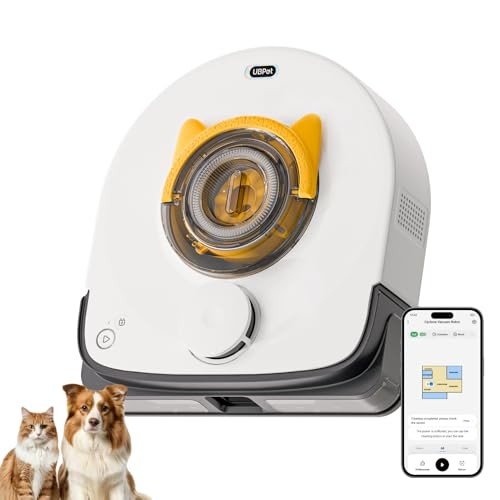
8 Tips For Boosting Your Robotic Vacuum Cleaner Game
Robotic Vacuum Cleaners: Revolutionizing Home Cleaning
Recently, robotic vacuum have actually taken the cleaning industry by storm, using a blend of convenience, effectiveness, and technology. These smart devices are not simply a luxury however have ended up being an important tool for maintaining tidiness in homes worldwide. This post delves into the abilities, benefits, obstacles, and future of robotic vacuum cleaners, equipping readers with an extensive understanding of these innovative gadgets.
Understanding Robotic Vacuum Cleaners
Robotic vacuum cleaners are autonomous devices created to carry out the job of vacuuming floors without human intervention. Utilizing sensing units, electronic cameras, and mapping technology, these gadgets navigate through homes, efficiently capturing dust, dirt, and debris.
How Robotic Vacuum Cleaners Work
Robotic vacuum cleaners use a mix of software and hardware for their operations. Here's a fundamental introduction of their working system:
Sensors: Robotic vacuums come geared up with numerous sensing units to identify challenges, cliffs, and dirt particles. These consist of infrared sensing units for spotting walls and bumpers that stop them from falling off stairs.
Mapping Futuristic technology: Advanced designs utilize LIDAR (Light Detection and Ranging) to develop accurate maps of the environments, enabling systematic cleaning patterns rather than random courses.
Suction Mechanism: Robotic vacuums typically use centrifugal force to suck up dirt and debris, similar to conventional upright vacuum cleaners.
Navigation: Using pre-set algorithms, these gadgets navigate around the home, ensuring they cover all areas while avoiding barriers.
Kinds Of Robotic Vacuum Cleaners
Robotic vacuum cleaners been available in various designs tailored to meet various cleaning requirements. Some typical types consist of:
Basic Robotic Vacuums: Simple gadgets that offer standard cleaning functionalities and might not include innovative navigation or mapping functions.
Smart Robotic Vacuums: Equipped with Wi-Fi connectivity, these gadgets enable users to manage settings via a smartphone app, schedule cleanings, and even receive notifications about cleaning development.
Hybrid Models: These vacuum serve double purposes, frequently integrating vacuuming with mopping abilities for enhanced cleaning effectiveness.
Specialized Robotic Vacuums: Designed for specific cleaning jobs, like pet hair elimination or cleaning carpets, these vacuums feature specialized brushes, filters, or suction power.
Table: Comparison of Popular Robotic Vacuum Cleaners
| Design | Price Range | Navigation Type | Suction Power | Mopping Function | Smart Features |
|---|
| Roomba 694 | ₤ 249 | Random | Moderate | No | None |
| Roborock S7 | ₤ 499 | LIDAR | High | Yes | App control, voice AI |
| Eufy RoboVac 30C | ₤ 299 | Random | Moderate | No | App control |
| iRobot Roomba 980 | ₤ 699 | Cam + LIDAR | Really High | No | App control, voice AI |
| Neato D7 | ₤ 649 | LIDAR | High | No | App control, zone cleaning |
Benefits of Robotic Vacuum Cleaners
Robotic vacuum cleaners supply a number of benefits that have added to their rising appeal:
Convenience and Time-Saving
Hands-Free Operation: Robotic vacuums can be configured to clean up while users are away, saving time and effort.
Scheduled Cleaning: Users can set schedules for automatic cleaning, ensuring their homes maintain cleanliness even on hectic days.
Performance and Effectiveness
Thorough Cleaning: With advanced navigation and mapping innovations, robotic vacuums clean homes methodically, frequently reaching areas that standard vacuums may miss out on.
High Suction Power: Many designs come equipped with effective suction abilities, suitable for both hard floors and carpets.
Technological Integration
Smart Features: Most designs feature mobile phone compatibility, making it possible for users to keep track of cleaning development and control the gadget from another location.
Voice Control Compatibility: Many robotic vacuums can connect with smart home systems like Alexa or Google Assistant, including an additional layer of control.
Enhanced Cleaning for Pet Owners
Robotic vacuum with powerful suction and specialized brushes can effectively catch animal hair and dander, attending to specific cleaning challenges faced by pet owners.
Challenges of Robotic Vacuum Cleaners
Regardless of their numerous advantages, robotic vacuums come with a few drawbacks:
Limited Suction Power: Some basic models might do not have the suction power needed for deep cleaning carpets, making them inappropriate for all home surface areas.
Maintenance Requires Attention: Users need to consistently clear the dustbin, clean brushes, and display filter quality to preserve ideal performance.
Navigation Complications: While many robotic vacuums are proficient at navigating, they can still deal with difficulties in complicated environments with numerous rooms and tight areas.
FAQs About Robotic Vacuum Cleaners
1. For how long do batteries last on robotic vacuum cleaners?Many robotic vacuum operate for about 60 to 120 minutes on a single charge, depending on the model and cleaning conditions.
2. Can robotic vacuums tidy numerous spaces?Yes, advanced models equipped with mapping innovation can navigate and clean multiple spaces, typically returning to their charging docks when ended up.
3. Are robotic vacuum appropriate for carpets?Many robotic vacuum designs have different suction capabilities suitable for keeping cleanliness on carpets. However, those with specialized functions might perform much better.
4. Do I need to be home for the robotic vacuum to work?No, one of the main benefits of robotic vacuums is that they can operate separately while you're away, cleaning your home during your lack.
5. Can I control a robotic vacuum with my smart device?Lots of modern robotic vacuums featured app control functions, permitting users to start, stop, or schedule cleaning from their smart devices.
Robotic vacuum represent a substantial development in home automation and cleaning innovation. With their benefit, effectiveness, and smart capabilities, these devices are reshaping how individuals preserve tidiness in their homes. While there are challenges to think about, the advantages often outweigh them, making robotic vacuums an outstanding financial investment for modern-day families. As innovation continues to progress, it is likely that these intelligent gadgets will become even more efficient, leading to a cleaner and much healthier living environment.