9 Signs That You're A Mopping And Vacuuming Robot Expert
The Rise of Mopping and Vacuuming Robots: Revolutionizing Home Cleaning
In the fast-paced world we live in, household chores can often seem like a burden. With work dedications, family commitments, and a myriad of other jobs competing for our attention, the concept of spending a substantial amount of time cleaning the floors can be unappealing. Get in mopping and vacuuming robots, a technological development that has changed the way people approach home tidiness. This blog post looks into the advantages, performances, and distinctions in between numerous designs of mopping and vacuuming robots, providing an extensive overview for those thinking about adding this gizmo to their cleaning arsenal.
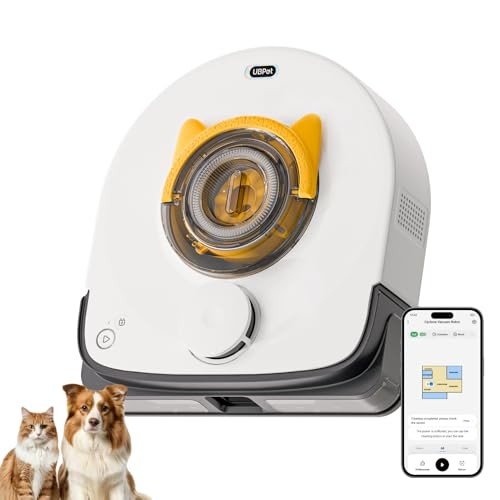
Understanding Mopping and Vacuuming Robots
Mopping and vacuuming robots are automated gadgets developed to clean floors with very little human intervention. They typically feature sensors and advanced navigation technology to efficiently navigate around a home. Geared up with brushes and suction capabilities, these robots can efficiently choose up dirt, dust, and debris. Advanced designs incorporate mopping functions, allowing them to capture spills and stains, therefore providing a comprehensive cleaning experience.
Secret Features of Mopping and Vacuuming Robots
Before diving into the specifics of various designs, let's lay out some typical functions that consumers need to search for when thinking about these robotic cleaners:
| Feature | Description |
|---|
| Navigation Technology | Robots frequently use sensing units, cameras, and mapping technology to comprehend their environment and prepare their cleaning paths. |
| Cleaning Modes | Numerous designs provide various cleaning modes, such as area cleaning, edge cleaning, and arranged cleaning. |
| App Connectivity | Some robots can be controlled by means of smart device apps, allowing users to schedule cleanings and keep an eye on progress from another location. |
| Battery Life | Robots vary in run time, with some efficient in cleaning larger areas before requiring a recharge. |
| Upkeep Alerts | Advanced models provide notices for maintenance activities, such as when to tidy brushes or empty dust bins. |
| Multi-surface Capability | Lots of robots can transition effortlessly between different kinds of flooring, consisting of carpet, hardwood, and tile. |
| Voice Control | Combination with smart home systems permits operation via voice commands, contributing to user convenience. |
The Benefits of Using Mopping and Vacuuming Robots
The increase in appeal of these robotic cleaners can be credited to numerous key advantages:
Time-Saving: Robots can run independently, freeing up users from the requirement to manually clean often.
Consistent Cleaning: With the ability to schedule regular cleansings, families can keep a regularly tidy environment.
Effectiveness: Many designs are developed to operate in an organized pattern, typically cleaning more efficiently than traditional vacuuming.
Accessibility: For people with mobility problems, these robots offer an accessible cleaning service without requiring physical exertion.
Personalization: App connectivity enables users to tailor cleaning schedules and modes, tailoring the operation to specific requirements.
Kinds of Mopping and Vacuuming Robots
Robots in the market can normally be categorized based on their features, abilities, and cost points. Here's an extensive list:
| Type | Description |
|---|
| Standard Vacuuming Robots | Perfect for light cleaning tasks; they offer standard navigation and cleaning functions for low maintenance. |
| Mopping Robots | Designed specifically to mop floorings, typically employing a water tank and mopping cloth for reliable cleaning. |
| Hybrid Models | Integrates both vacuuming and mopping functions, enabling users to deal with dust and spills in one pass. |
| Smart Robot Robots | Geared up with sophisticated functions like mapping, Wi-Fi connectivity, and app control, offering personalized cleaning alternatives. |
| High-End Robots | Premium models that incorporate sophisticated sensing units, recognize furniture, and can map several rooms, developed for bigger homes. |
Factors to Consider Before Buying
When choosing a mopping and vacuuming Robot Vacuum Cleaner, it's essential to weigh numerous aspects to ensure you pick the right one for your needs.
Flooring Type: Consider your home's floor covering; some robots perform better on hard surfaces while others are reliable on carpets.
Battery Life: For larger spaces, try to find robots that can clean up longer without needing a charge.
Size and Design: A Best Robot Vacuum must be little sufficient to navigate under furniture and fit into tight areas.
Spending plan: Determine your spending plan as robotic cleaners vary considerably in price based on features and brand name.
User Reviews: Research customer evaluations and ratings for insights into real-world performance and reliability.
Common FAQs about Mopping and Vacuuming Robots
To even more assist potential buyers, here are some frequently asked questions about mopping and vacuuming robots:
1. How efficient are these robots on carpets?
Robots differ in suction power; high-end models tend to carry out much better on carpets, whereas lower-end systems might have problem with deep cleaning.
2. Can the Budget Robot Vacuum mop and vacuum at the same time?
Yes, hybrid models can mop and Auto Vacuum simultaneously, making them efficient for clean-ups by tackling dust and spills in one pass.
Routine maintenance is required. Cleaning brushes, emptying dust bins, and occasional deep cleaning will ensure optimum performance.
4. Are these robots worth the investment?
For lots of homes, the time conserved and benefit provided by robotic cleaners validate the purchase, especially for those with busy lifestyles.
5. Can I control the robot with my smartphone?
The majority of modern robotic cleaners featured app connectivity, making it possible for users to set up cleansings, display progress, and customize modes from their devices.
Mopping and vacuuming robots are more than just a pattern; they represent a significant shift in home cleaning characteristics. Their time-saving benefits, combined with enhanced innovation, make them an attractive alternative for hectic people and families. By thoroughly evaluating features, types, and personal requirements, possible buyers can make informed choices that improve their home cleaning regimens. As technology continues to evolve, these robotic cleaners will likely become a lot more effective, making the prospect of clean floors more achievable and less time-consuming than ever in the past.