Fascia Board Replacement Tools To Help You Manage Your Everyday Lifethe Only Fascia Board Replacement Trick Every Person Should Know
Fascia Board Replacement: A Comprehensive Guide
When it concerns maintaining a home's outside, lots of house owners might neglect an important part: the fascia board. This long, horizontal board runs along the edge of the roofline and serves multiple functions, consisting of support for rain gutters and a protective barrier against wetness. Gradually, fascia boards can become harmed due to weathering, rot, or insect problems, requiring replacement. This short article will explore the reasons for fascia board replacement, the procedure included, and important maintenance suggestions to ensure the durability of your brand-new installation.
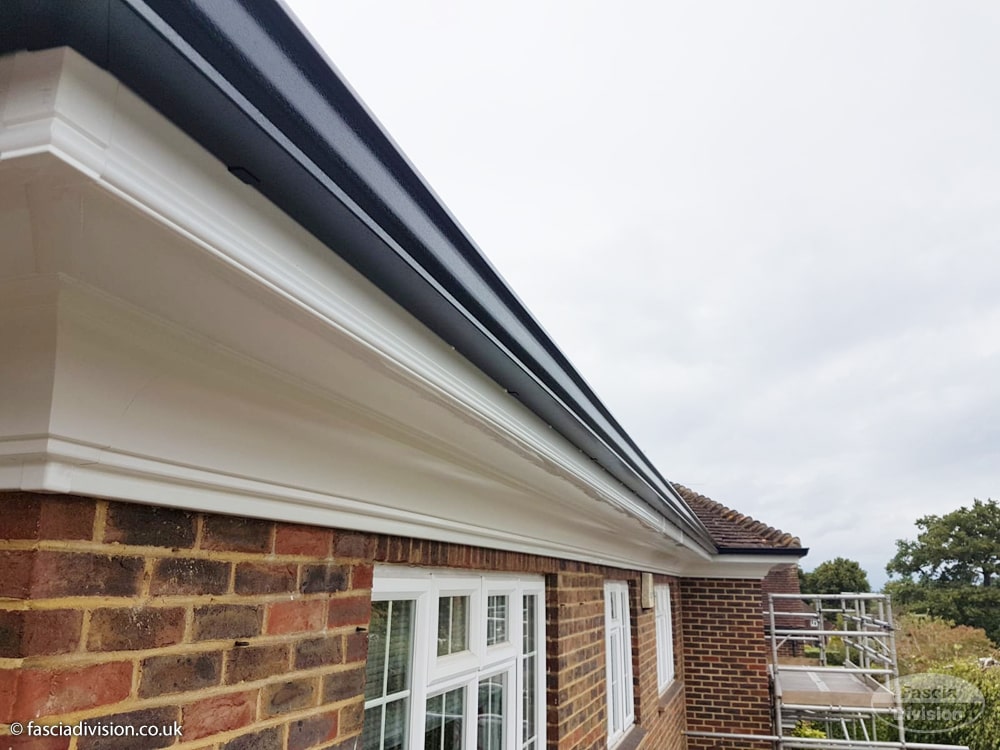
Comprehending Fascia Boards
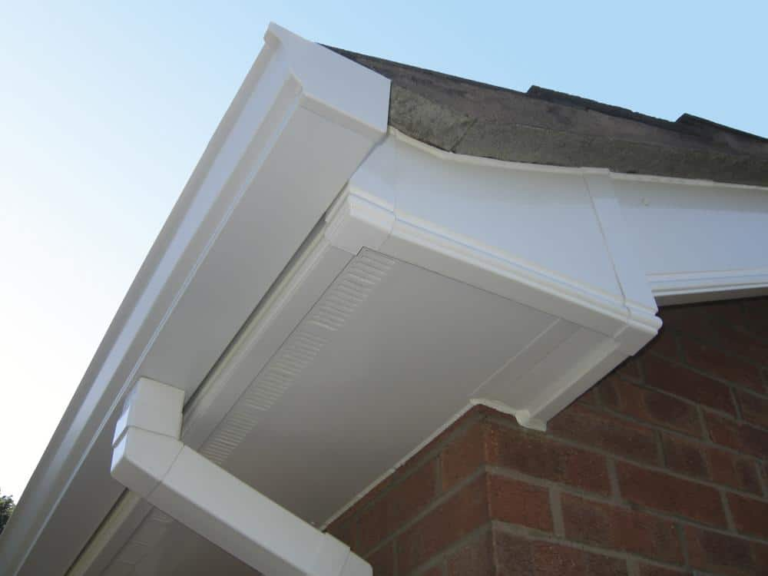
Fascia boards mainly function as a visual transition in between the roofing system and the surrounding walls. Here is a brief introduction of their key roles:
- Gutter Support: Fascia boards provide a safe and secure surface for seamless gutters to be attached, permitting water overflow from the roof to be directed away from the home.
- Protection: They buffer the roofing system versus moisture, pests, and insects, preventing possible problems or water damage.
- Aesthetic Appeal: Fascia boards contribute to the total look of a home, framing the roofline and boosting curb appeal.
Indications It's Time for Fascia Board Replacement
Property owners need to be watchful in keeping track of the condition of their fascia boards. Here are some signs suggesting that it may be time for a replacement:
- Visible Damage: Cracks, warping, or peeling paint can suggest degeneration.
- Water Damage: Dark staining, mold, or indications of rot might recommend water invasion and demand replacement.
- Pest Infestation: Presence of insects, such as termites, can compromise the structural stability of the fascia.
- Sagging or Bowing: An obvious sagging of the fascia board might suggest inadequate support or damage underneath.
Actions for Fascia Board Replacement
Changing a fascia board can be a workable DIY task for those with basic carpentry abilities. However, for house owners who are uneasy working at heights or lack the needed tools, employing a professional contractor is recommended. Below is an in-depth step-by-step guide to fascia board replacement:
Tools and Materials Needed
- Security safety glasses
- Gloves
- Ladder
- Pry bar
- Hammer
- Circular saw or hand saw
- Measuring tape
- New fascia board (typically made of wood or composite product)
- Wood screws or nails
- Caulk and caulk weapon
- Primer and paint (if relevant)
Replacement Steps
- Evaluate the Area: Before beginning, evaluate the condition of the fascia board and surrounding roofing elements.
- Secure the Area: Set up a ladder and guarantee it is stable.
- Eliminate the Old Fascia Board: Use a pry bar to gently remove the old fascia board. Be mindful not to harm the hidden structure.
- Check for Damage: Check for any rot or damage in the wood underneath. Change any broken sections as needed.
- Step and Cut the New Board: Measure the length required for the brand-new fascia board and cut it to size.
- Install the New Board: Secure the board utilizing wood screws or nails, making sure a tight fit versus the roofline.
- Seal the Edges: Apply caulk along the edges to create a water resistant seal.
- Complete: If preferred, apply primer and paint to match the existing outside. This will not only boost look but also provide extra defense against the elements.
Maintenance Tips for Fascia Boards
Once the fascia board has been changed, regular maintenance will help ensure its durability. Think about these suggestions:
- Regular Inspections: Check fascia boards a minimum of twice a year for indications of wear or damage.
- Tidy Gutters: Regularly clean rain gutters to prevent blockages, which can result in water pooling and ultimate damage to the fascia.
- Trim Overhanging Branches: Trees situated near your house can shed leaves and branches, which may include unneeded weight and wetness to fascia boards.
- Repaint as Necessary: Periodically repainting the fascia board can secure it from the elements, particularly in areas with severe weather.
Cost of Fascia Board Replacement
The cost of fascia board replacement can differ based on a number of factors, consisting of the material picked, labor rates, and the level of damage, if any. Below is a simplified table to describe average expenses associated with this job:
| Item | Average Cost |
|---|
| Product (Wood/Composite) | ₤ 1 - ₤ 10 per foot |
| Labor (if contracted) | ₤ 50 - ₤ 75 per hour |
| Tools & & Supplies | ₤ 50 - ₤ 150 |
| Total Estimated Cost | ₤ 250 - ₤ 1,500+ |
Prices can vary based on geographic location and particular job requirements.
FAQs About Fascia Board Replacement
1. How frequently should fascia boards be replaced?
Fascia boards can last between 10-20 years, depending upon the product and ecological factors. Regular evaluations can assist recognize when replacement is required.
2. What materials are best for fascia boards?
Common products include wood, vinyl, and aluminum. Wood is conventional but might require more maintenance, while vinyl and aluminum are low-maintenance options.
3. Can I paint my fascia boards?
Yes, repainting fascia boards can improve their look and supply an additional layer of defense versus wetness.
4. Is it necessary to employ a professional for fascia board replacement?
While DIY can be an option, working with a professional ensures that the job is done properly and minimizes possible dangers associated with working on roofing systems.
5. What can I do if I discover water damage in my fascia?
It's important to resolve water damage right away to prevent additional problems. Evaluate the extent of the damage; you may need to change the fascia board and inspect underlying structures.
In conclusion, fascia board replacement is a vital home maintenance job that ought to not be neglected. By recognizing the signs of deterioration, understanding the replacement procedure, and engaging in routine maintenance, homeowners can protect their homes from potential damage and enhance their aesthetic appeal.